

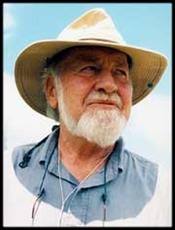
Bill Mollison
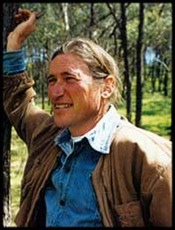
David Holmgren
Permaworld was originally created to be a fundraising program for Permaculture programs and teachers of Permaculture. We have so far donated over US$30,000,00 to Permaculture International in Australia and support other Permaculture initiatives around the world. We actively support and promote Permaculture wherever and however we can.
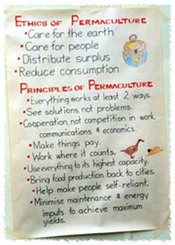
Permaculture is a design system for creating sustainable human environments. It is one of the most holistic, integrated design methodologies found in the world today and linked by the ethics of:
 Caring for the earth
Caring for people
Sharing Resources (to achieve these aims)
Such a definition implies that permaculture is active in a broad range of areas. These include:
Community and rural land design
Food production and distribution systems
Overseas development aid
Organic farming and sustainable agriculture
Productive ecosystems
Community economics
Town planning
Community development
Urban agriculture
Education and media
The 1970's sees the beginnings of Permaculture
The permaculture design system, devised by scientist Dr Bill Mollison and environmental designer David Holmgren in the 1970's has now expanded into many countries around the world.
Permaculture (permanent agriculture / permanent culture) is "consciously designed landscapes which mimic the patterns and relationships found in nature, while yielding an abundance of food, fibre and energy for provision of local needs".
Permanent agriculture - permanent culture
The people, their buildings and the ways in which they organize themselves are central to permaculture. Thus the permaculture vision of permanent (sustainable) agriculture has evolved into one of permanent (sustainable) culture.
Permaculture is also a worldwide network and movement of individuals and groups working in both rich and poor countries on all continents. Largely unsupported by government or business, these people are contributing to a sustainable future by reorganising their life and work around permaculture design principles. In this way they are creating small local changes but ones which are directly and indirectly influencing action in the wider environment, including the growing popularity of organic agriculture, the increasing use of environmentally friendly technology, the development of sustainable communities based on local food economies and the generation of other movements for a sustainable world.
A richer place for future generations
Permaculture is a way of life which shows us how to make the most of our resources by minimizing waste and maximizing potential. Living ecologically doesn't mean giving everything up but, instead, relearning the value of nature and understanding new ways of being wealthy. It is the conscious design of a lifestyle which is highly productive, yet does not cause environmental damage. A lifestyle, moreover, which is increasingly being recognised as an imperative since, in reality, it is the only way to meet our basic needs and still leave the Earth a richer place for future generations.
A primary focus of the Permaworld Foundation since it's beginnings in 2001 is the promotion and support of Permaculture educational programs which teach it's principles and practical applications to a broader international audience.